May 5, 2026
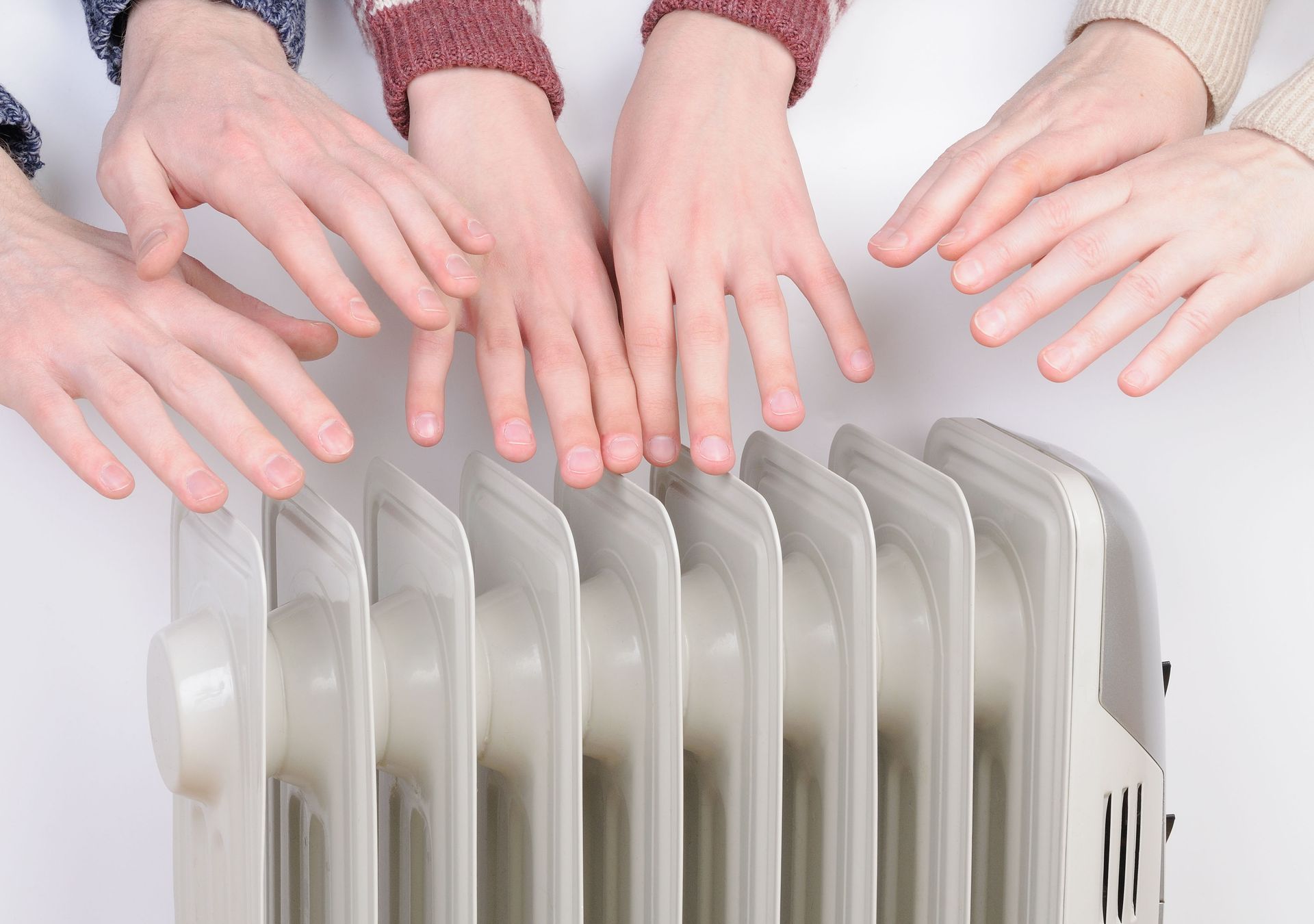
Maintaining a warm and comfortable home environment during the coldest months of the year is a primary priority for every homeowner. While modern heating technology is designed for durability, mechanical components eventually wear down. Recognizing when your system requires expert attention can prevent a minor inconvenience from turning into a total system failure.
Identifying Strange New Noises
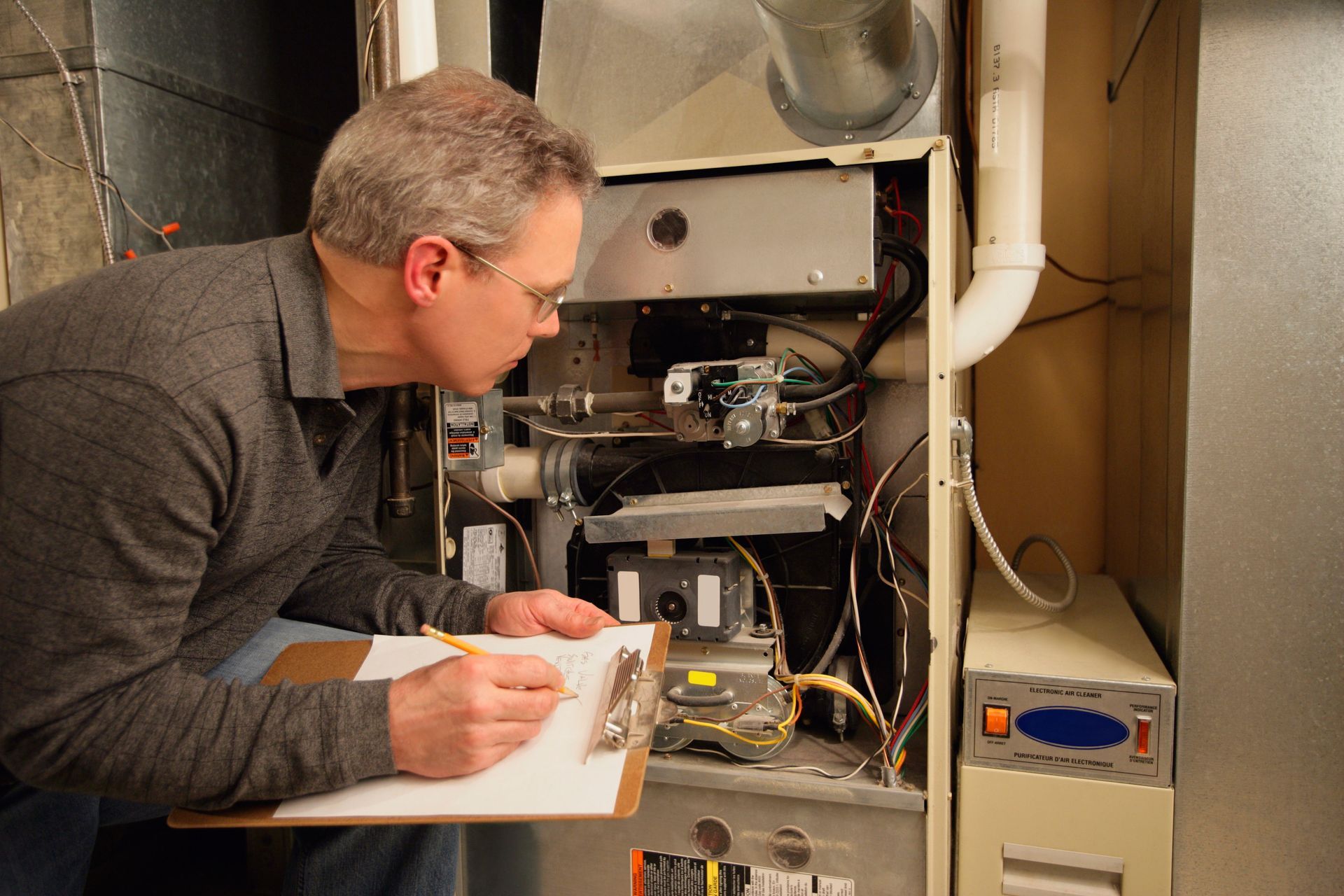
The sounds your heating system makes can provide significant clues about its internal health. A well-functioning unit should operate with a consistent, low hum that fades into the background. If you start to hear loud banging, screeching, or whistling sounds, it is time to consider the necessity of furnace repairs to protect the internal motor. These auditory disturbances often signal that a component has slipped out of place or is failing under the pressure of constant operation.
Banging or popping sounds often indicate a delay in ignition, which allows gas to build up before igniting. This creates a small explosion that can damage the heat exchanger over time. Screeching noises usually point toward a frayed blower belt or a bearing that requires lubrication. These piercing sounds serve as a clear warning that moving parts are rubbing together without the necessary protection. Ignoring these auditory warnings typically leads to more expensive mechanical issues down the road.
Rattling sounds are another common indicator that something has loosened within the cabinet. It could be a simple screw or a more serious issue with the motor mount. Professional technicians have the tools to diagnose these sounds accurately. Seeking furnace repairs at the first sign of unusual noise keeps the system running smoothly without the risk of sudden metal fatigue or part breakage.
Noticing Inconsistent Heat Levels
When your thermostat is set to a specific temperature, you expect every room in your house to reflect that setting. If you find that the living room is sweltering while the bedrooms remain chilly, your system is likely struggling to distribute air effectively. This imbalance suggests that the blower fan or the ductwork configuration is no longer meeting the demands of your floor plan. Fluctuating temperatures throughout the home often point toward a breakdown in the communication between the sensors and the heating element.
Inconsistent cycling is another frequent sign of a struggling heater. Short cycling occurs when the unit turns on and off rapidly without ever completing a full heating cycle. This puts immense strain on the electrical components and prevents the home from reaching a stable temperature. The constant restarting of the motor consumes a vast amount of energy and wears down the ignition system prematurely. This behavior often requires professional furnace repairs to recalibrate the sensors or clean the flame sensor.
Uneven heating can also stem from a clogged filter or a failing motor that cannot push air through the vents. If you feel lukewarm air coming from the registers when the heat is running, the system is not generating enough thermal energy. Expert intervention is required to determine if the issue lies with the burner assembly or the control board.
Observing Rising Energy Bills
A sudden spike in your monthly utility costs without a corresponding change in usage is a major red flag. When internal components become coated in dust or lose their lubrication, the system must work harder to produce the same amount of heat. This inefficiency translates directly into higher fuel or electricity consumption that impacts your household budget. An unexpected jump in expenses usually reflects a system that is struggling to overcome internal resistance just to maintain a basic level of comfort.
If your bills are climbing despite having a modern unit, mechanical friction is likely the culprit. According to the Department of Energy, while older heating units only operated at 56% to 70% efficiency, contemporary systems can reach 98.5%, allowing almost every bit of fuel to be transformed into heat for the home. Scheduling furnace repairs restores this peak efficiency by addressing worn parts that draw excessive power. This professional intervention keeps the system optimized and your monthly overhead costs predictable.
Beyond the hardware itself, an inefficient system stays on longer to meet the thermostat’s demands. This extended run time accelerates the wear on every single part. By addressing the root cause of high energy bills, you extend the lifespan of the equipment. Professionals can analyze your energy usage patterns to find the exact mechanical failure causing the drain.
Monitoring Changes in Air Quality
The furnace plays a critical role in the air quality of your indoor environment. If you notice an increase in dust accumulation on your furniture shortly after cleaning, your filtration system is failing. While filters are easy to replace, persistent dust issues might indicate that the internal cabinet is filled with debris that bypasses the filter. Poor indoor air quality is often a direct result of a heating system that can no longer properly trap airborne contaminants.
Excessive dryness or a sudden increase in static electricity can also signal that the heating system is not managing humidity levels correctly. Some homeowners notice that their skin or throat feels irritated when the heater is running. When the air becomes too dry, it can also cause woodwork and furniture in the home to crack or shrink. Professional furnace repairs can include a deep cleaning of the blower and coils to remove allergens and particulates from the air stream.
Visible soot or carbon buildup around the furnace registers is a serious concern that requires immediate attention. This indicates incomplete combustion, which can lead to the release of carbon monoxide into the living space. A technician will inspect the burner and the flue to make sure that all combustion byproducts are being vented out of the home safely and correctly.
Checking the Pilot Light Color
For homeowners with gas-powered systems, the color of the pilot light is a vital safety indicator. A healthy pilot light should always burn a steady, crisp blue. This color indicates that the gas is burning cleanly and that the mixture of oxygen and fuel is perfectly balanced for safe operation. Monitoring this small flame allows you to verify that the combustion process is occurring exactly as the manufacturer intended.
If the flame appears yellow, orange, or flickers significantly, it suggests that the burner is dirty or that the gas is not burning completely. A yellow flame is often a byproduct of carbon monoxide, which is an odorless and colorless gas that poses a health risk to everyone in the house. This discoloration signifies that the ratio of air to fuel has been compromised by a blockage or a mechanical failure. Immediate furnace repairs are necessary to adjust the gas pressure and clean the burner assembly.
Flickering flames can also be caused by drafts within the utility room or a faulty thermocouple that is not sensing the flame correctly. If the pilot light frequently goes out, the safety sensors are likely preventing the system from operating to avoid a gas leak. Professionals can test the gas valves and sensors to verify that the ignition sequence is stable and secure for daily use.
Proactive maintenance and timely furnace repairs are essential for the longevity of your heating system. By staying alert to changes in sound, temperature, and air quality, you can address issues before they escalate. A well-maintained heater provides peace of mind and consistent warmth throughout the cold months. Reach out to Sitler & Lemmon Heating Company to schedule your appointment and restore the comfort of your home today.